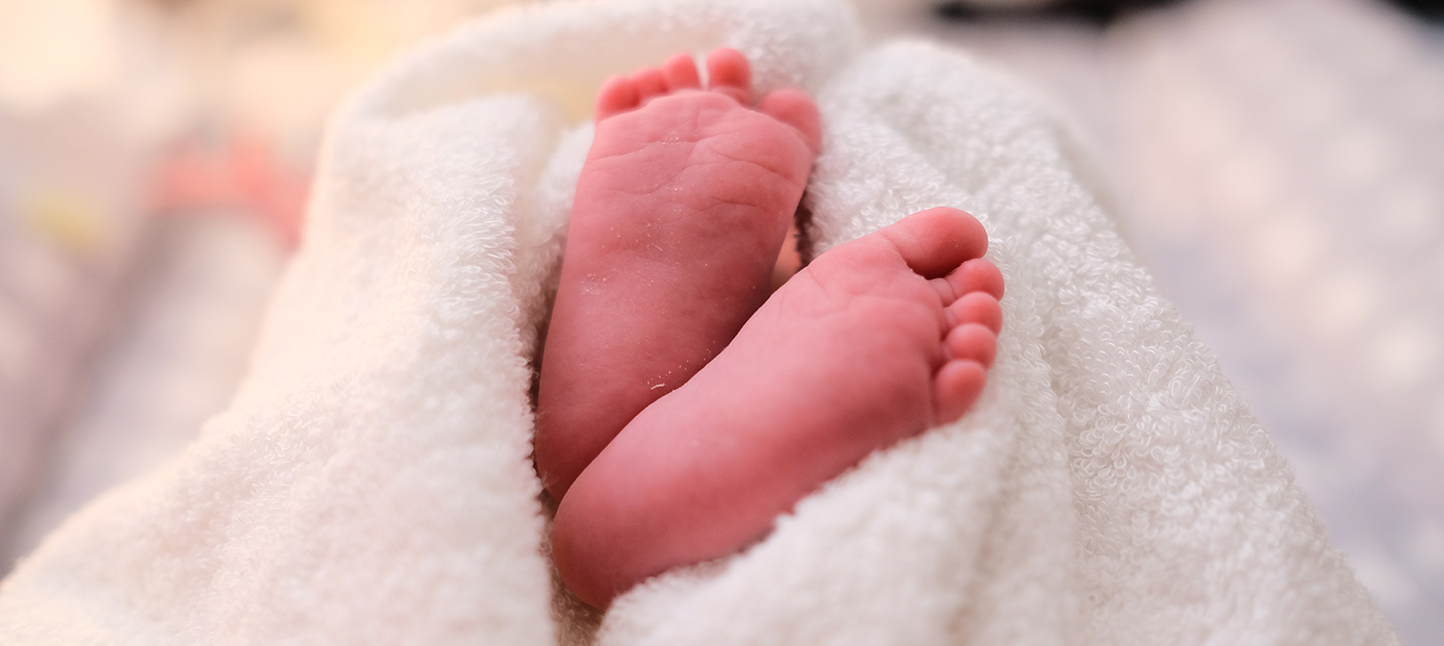
The arrival of a newborn is a remarkable and intricately orchestrated event, marked by numerous physical and emotional transformations for both the mother and the baby.
Upon entering the world, a baby undergoes significant physical adjustments to adapt to life outside the mother’s body. Departing from the uterus means that the baby can no longer rely on the mother’s blood supply and placenta for essential bodily functions.
Before birth, the baby relies on various functions provided by the mother, such as breathing, feeding, waste elimination, and immune protection. However, upon leaving the womb, the baby’s bodily systems must undergo substantial changes.
For instance:
The lungs must now breathe air.
The cardiac and pulmonary circulation undergo alterations.
The digestive system initiates the processing of food and elimination of waste.
The kidneys commence their function to balance fluids and chemicals in the body and eliminate waste.
The liver and immune systems begin independent operation.
The baby’s bodily systems must collaboratively function in a novel manner. Challenges may arise in cases of preterm birth, a challenging delivery, or birth defects, making these adjustments more difficult. Fortunately, specialized care is readily available to support and assist newborns during this critical phase.