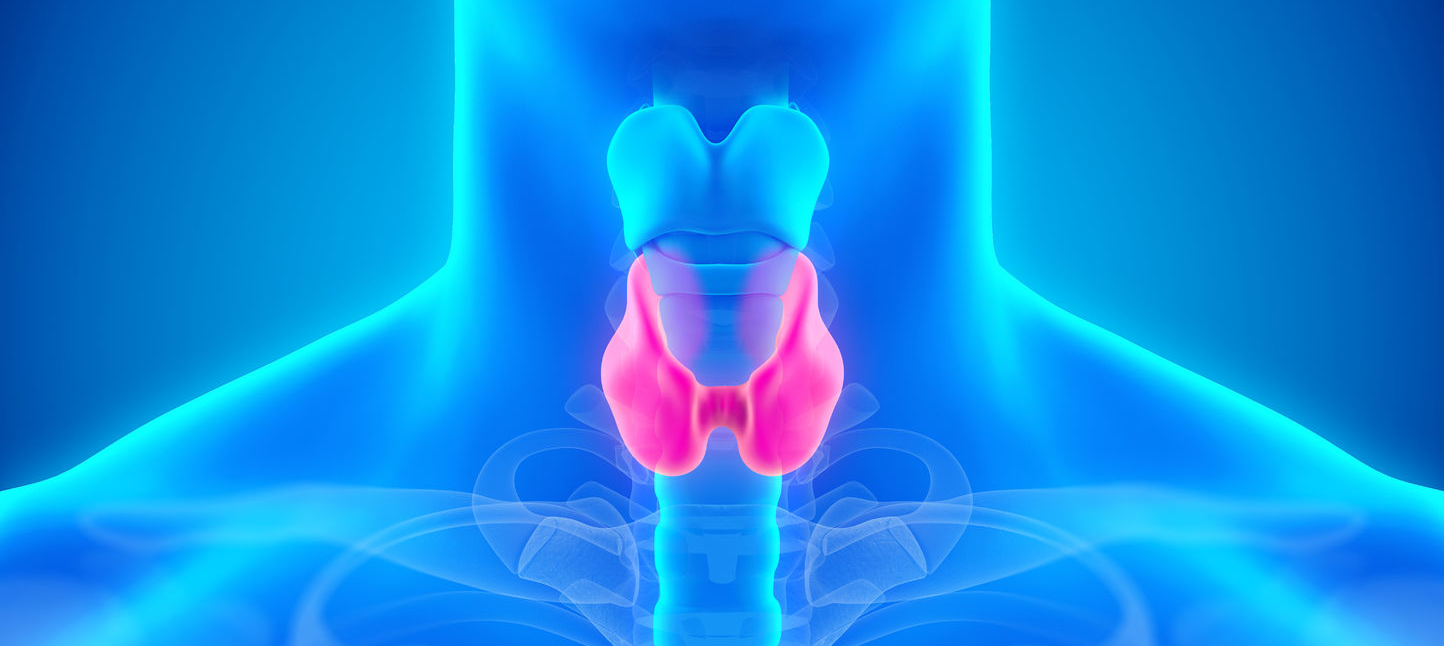
The thyroid gland is a crucial endocrine organ that plays a significant role in the metabolism, growth, and development of the human body. It actively regulates various bodily functions by consistently releasing thyroid hormones into the bloodstream. Situated at the front of the neck, beneath the voice box, this organ, medically termed as glandula thyreoidea, is essential for maintaining physiological balance.
Blood tests serve as diagnostic tools to detect hypothyroidism and hyperthyroidism. Physicians may assess the levels of TSH, T4, and sometimes T3, and conduct antibody tests to determine if the immune system is attacking the thyroid gland. Additional tests, such as ultrasound or a radioactive scan, may be employed to identify thyroid issues.
In cases of insufficient thyroid hormone, thyroid replacement medication can be administered. Regular check-ups with the doctor are essential to ensure the correct dosage. Conversely, excess thyroid hormone may be addressed with antithyroid medication to reduce hormone levels or radioactive iodine to eliminate the thyroid gland. Ongoing blood tests are performed during and after treatment to monitor thyroid hormone levels and assess the effectiveness of the intervention. In rare instances, surgical procedures may be considered.